Start this week
Five moves that pay off before you read another word. The rest of the guide explains each one.
- 1Get a quote for pet sitter liability insurance and bonding if you don't have it.
- 2Write down the neighborhoods you'll cover and turn down walks outside them.
- 3Switch every client to paying weekly, in advance.
- 4Send a photo and a two-line note after every walk this week.
- 5Message your regulars now about holiday dates before they book elsewhere.
Numbers to know
30 to 60 minutes
The standard walk lengths most walkers sell. Thirty minutes is the usual base price.
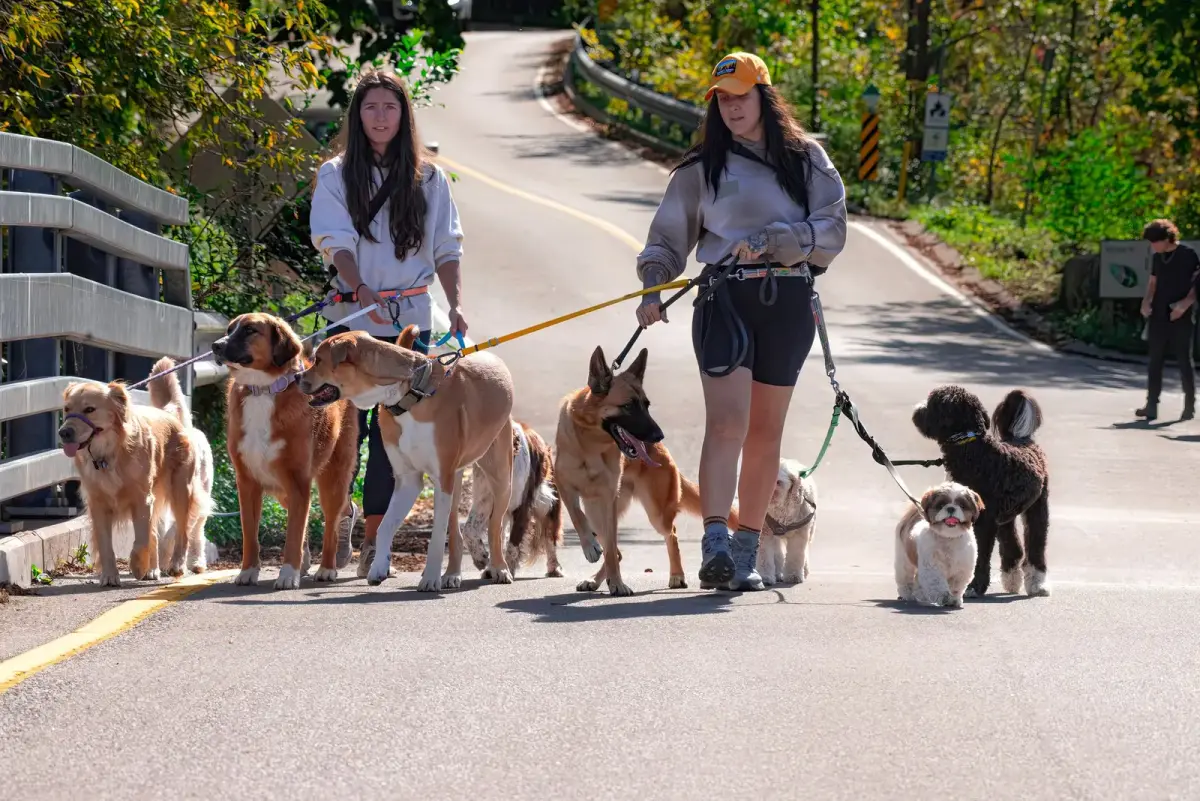
4 to 6 dogs
A common ceiling for a group walk, and some cities cap it by permit. Check yours.
24 hours
The cancellation notice most walkers require before a walk is still billed.
Weekly
How most established walkers bill: in advance, so you never chase last month's walks.
Part 1
Set up a business owners can trust with their keys
Owners are handing you their dog and their front door. The basics of trust come before marketing.
- 01
Get insured and bonded, and check your local rules
Owners ask about insurance before they ask about price. Pet sitter liability insurance covers injuries and property damage, and bonding covers theft claims. Many cities also require a business license or a permit for group walks.
How to do it
- 1Get a policy built for pet care that includes care, custody and control coverage.
- 2Add bonding, and say so on your website.
- 3Check your city for a business license and any limit on dogs per walker.
- 4Take a pet first aid course and keep a basic kit in your bag.
- 02
Define your services and price them plainly
Owners don't want to text to ask what a walk costs. A short, clear menu filters out the wrong clients and makes the right ones book faster.
Automate it: Post the full menu, solo walks to overnights and weekly plans, on the page where owners book, so the price question is answered before they ask it.
How to do it
- 1Price a 30-minute solo walk as your base, then a 60-minute walk, group walks, drop-ins and overnights.
- 2Charge extra for additional dogs in the same home, at a lower rate than the first dog.
- 3Offer weekly plans (like five walks a week) at a small discount for commitment.
- 4Add a holiday rate and say which days it covers.
- 03
Put a service agreement in writing
Keys, emergencies and what you'll do if a dog gets sick are where misunderstandings happen. A signed agreement before the first walk protects you both.
How to do it
- 1Cover key handling, lockbox codes and what happens to keys when service ends.
- 2Get a signed vet authorization and an emergency contact for every dog.
- 3State your cancellation policy, payment terms and weather policy.
- 4Note any dog you won't walk in groups, and why.
Part 2
Get found in the neighborhoods you walk
Dog walking is hyperlocal. The best clients live within a few blocks of the clients you already have.
- 04
Make your website the place owners book
A site on your own address tells owners you're a real business, not someone between jobs. It also lets them check your area, prices and insurance at 11 PM without messaging you.
Automate it: Use online booking tied to your own hours, with the neighborhoods you cover listed beside it. A builder like Runza can set up walks, prices, booking and your area from a short chat.
How to do it
- 1List the neighborhoods you cover so owners know right away if you walk their street.
- 2Put your link on your leash bag, your business cards and your social bios.
- 3Use your business name as your address, like yourdogwalker.com.
- 05
Answer the questions owners always ask
Keys, weather, group sizes, insurance and what happens when you're sick. Answer them once and every inquiry arrives further along.
Automate it: Link the FAQ in your auto-reply. An AI chat trained on your answers can cover the evening questions and help owners book a meet and greet.
How to do it
- 1List the last 20 questions you answered by text.
- 2Answer each the way you'd say it at a meet and greet.
- 3Be honest about the hard ones: what you do in a heat wave, and who covers when you're out.
- 06
Post short clips from your walks
A happy dog on a trail is the best ad a walker has. Owners in your area follow walkers whose dogs look well cared for.
Automate it: Let software cut your walk videos into short, captioned clips, and schedule a week of posts in one sitting.
How to do it
- 1Film 10 to 20 seconds of each walk, with the owner's permission.
- 2Tag the neighborhood or the park so locals find you.
- 3End posts with the areas you cover and how to book a meet and greet.
- 07
Work the block: buildings, vets and neighbors
Apartment buildings, local vets and neighborhood groups send steady clients. One building with five dogs is a morning route.
How to do it
- 1Ask building managers if you can leave cards or a flyer in the mail room.
- 2Introduce yourself to nearby vets, groomers and pet stores.
- 3Post in neighborhood groups when you have openings, with your area and your insurance.
- 4Offer current clients a free walk for every referral who signs on.
See it set up for your business, free
A mockup of your website and the back office behind it. No account needed.
Part 3
Book, screen and get paid
This is where walkers lose money: free trial walks with no commitment, dogs that don't fit groups, and invoices chased a month late.
- 08
Start every client with a meet and greet
A short visit before the first walk lets you meet the dog, collect keys and sign the agreement. It also lets you say no to a dog that isn't a fit, before you're responsible for it.
Automate it: Let owners book the meet and greet online from your open hours, with the dog's name, size and quirks asked in the form, so it lands on your calendar ready to go.
How to do it+ a message to send
- 1Keep it to 15 or 20 minutes and do it at the owner's home.
- 2Walk the dog around the block with the owner present.
- 3Collect keys, the vet authorization and payment for the first week before you leave.
Text to confirm a meet and greet Hi [Name], this is [You] from [Business]. Looking forward to meeting [Dog] on [day] at [time]. It takes about 15 minutes. Please have a spare key and your vet's info handy, and I'll bring the service agreement. See you then!
- 09
Screen dogs before they join a group
One reactive dog can turn a group walk into a liability. Group spots should be earned, not assumed.
Automate it: Use a short online application for group spots that asks about recall, temperament and vaccines, so every answer lands in your inbox in the same format.
How to do it
- 1Ask about recall, leash manners, dog and people reactivity, and vaccines.
- 2Start new dogs on solo walks for two weeks before adding them to a group.
- 3Keep a waitlist for pack hikes and fill it from dogs you already know.
- 10
Bill weekly, in advance, by card
Billing after the fact means chasing money for walks you already did. Billing in advance turns your schedule into committed income.
Automate it: Send a payment link owners can pay by card from a text, on the same day each week, with the money going straight to your bank.
How to do it
- 1Bill on the same day every week for the coming week's walks.
- 2Ask new clients to pay the first week at the meet and greet.
- 3Pause walks, kindly, when a payment is more than a few days late.
- 11
Set a cancellation and holiday policy
Last-minute cancellations leave a hole you can't fill. Holidays are your busiest days and your hardest to staff. Both need rules owners agree to up front.
How to do it
- 1Bill walks canceled with less than 24 hours' notice.
- 2Add a holiday surcharge for major holidays and say which dates.
- 3Ask clients to book holiday care by a set date, so you can plan.
Part 4
Follow up so owners never look elsewhere
Owners rarely leave a walker over price. They leave when they stop hearing from you or can't get a spot when they need one.
- 12
Send a walk report after every visit
An owner at work wants to know their dog is fine. A photo and two lines after every walk is the habit that keeps clients for years.
How to do it+ a message to send
- 1Send one photo, the length of the walk, and potty notes.
- 2Mention anything unusual: limping, not eating, a torn screen.
- 3Keep the tone short and warm. It should take you 30 seconds.
After-walk text [Dog] had a great 30 minutes today! We did the loop around [park], pee and poop both done, and plenty of sniffing. Water bowl is topped up. See you [day]!
- 13
Keep every dog's details in one place
Lockbox codes, feeding notes and who's allergic to what can't live in your text history. One list keeps you right when you're tired, and lets a backup walker step in.
Automate it: Let every booking add the owner and the dog to one client list automatically, so you can see at a glance who needs care while a family travels.
How to do it
- 1Record each dog's name, quirks, vet and emergency contact.
- 2Note which families travel and when.
- 3Update the list the day anything changes.
- 14
Remind owners to book before trips and holidays
Holiday and travel spots go to whoever asks first. Reminding your clients before they think of it keeps those weeks full and keeps your regulars from scrambling.
Automate it: Schedule the holiday and travel reminders once a year, so they go out on their own ahead of every busy stretch.
How to do it
- 1Message clients four to six weeks before major holidays.
- 2Remind summer travelers in the spring.
- 3Follow up once with anyone who hasn't answered.
See these steps running
Walk through the back office of Happy Trails Dog Walking, a sample business: the schedule, follow-ups, invoices and site. Made-up data, no sign-up.
Part 5
Grow past what one person can walk
There are only so many walks in a day. Growth comes from a tighter route, better prices and, eventually, walkers who work for you.
- 15
Tighten your route and know your hourly rate
Driving between walks is unpaid time. A walker with clients in three neighborhoods earns far more per hour than one with clients across the city.
How to do it
- 1Map your clients and drop or reprice the ones far outside your core area.
- 2Divide each day's revenue by every hour you worked, including driving.
- 3Fill midday gaps with drop-ins and group walks near your existing clients.
- 16
Hire walkers and give each one a login
Your first hire is the step from job to business. Walkers who can see their own schedule and the dogs' notes make fewer mistakes and need less from you.
Automate it: Give each walker their own login to the schedule and the dogs' notes, so nobody works from a forwarded screenshot.
How to do it
- 1Hire for reliability first and dog experience second.
- 2Shadow every new walker on their first week of routes.
- 3Decide early whether walkers are employees or contractors, and check your state's rules.
- 17
Review what's working every week
The best operators decide what to do next from what's working, not from gut feel. Thirty minutes a week with your bookings, your client list and your posts shows where the money is.
Automate it: Some tools now read your bookings, your list and your posts and suggest your next three moves, like a holiday reminder that's due or a neighborhood to post in. Treat it as a weekly checklist.
How to do it
- 1Look at which services booked and which slots sat empty.
- 2List the clients who are overdue and reach out to three of them.
- 3Note which post brought in the most messages, and make another like it.
The short version
Get insured, walk a tight area, meet every dog first, bill weekly in advance and send a report after every walk. Do those five things and owners never look for another walker.